
The Philippines is making a major push into electric vehicles, with the government setting aside billions of pesos in incentives to attract manufacturers and build a stronger domestic EV industry. While the move is largely framed as an investment and industrial strategy, it could eventually bring noticeable changes to the way people move around Manila.
President Ferdinand Marcos Jr. approved a ₱60-billion incentive package for the country’s electric vehicle industry, as the Philippines seeks to attract investments and strengthen its position in Southeast Asia’s growing EV market. The initiative comes as neighboring countries continue to develop their own electric vehicle manufacturing and supply chains.
For Manila, the significance of the push goes beyond the arrival of more electric cars. A larger EV industry could gradually affect the city’s transportation infrastructure, from charging stations and parking facilities to the types of vehicles used for commuting, deliveries, and other everyday activities.
Electric vehicles are already becoming more visible on Philippine roads, although adoption remains relatively limited. Expanding their use requires more than making vehicles available to consumers. It also depends on whether cities can provide enough charging facilities and supporting infrastructure for drivers.
The Department of Energy has been working to expand the country’s electric vehicle charging network as part of its broader EV program. Its targets include millions of EVs and thousands of charging stations across the country, reflecting the scale of infrastructure required to support a transition toward electric mobility.
In Manila, that transition could eventually become visible in places people encounter every day. Shopping malls, office buildings, condominiums, parking facilities, and other developments may increasingly incorporate charging stations as EV ownership grows.
For residents without private parking spaces, access to public charging could become an especially important part of the EV experience. Unlike conventional vehicles, which can be refueled at numerous gas stations, electric vehicles require charging access that can take considerably longer depending on the equipment and vehicle.
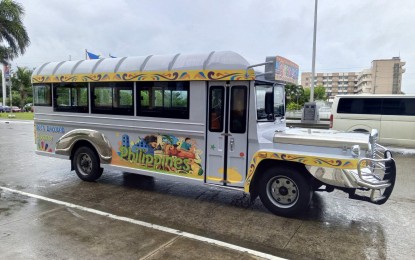
The shift could also extend beyond private cars. Electric buses, taxis, motorcycles, delivery vehicles, and other forms of transportation could become more common as the technology develops and operators look for alternatives to conventional fuel-powered vehicles.
But a transition to electric vehicles does not automatically mean an end to Manila’s transportation problems.
The city continues to face congestion, limited road space, and challenges in public transportation. Even if more vehicles become electric, the roads will remain crowded if the number of vehicles continues to increase. The environmental benefits of electrification will therefore need to go alongside improvements in public transportation and broader urban planning.
The Philippines also faces the challenge of catching up with other Southeast Asian countries that already have more established automotive industries. The Business Times noted that the country’s relatively late entry into EV manufacturing and developing supply chain could make competition for investments more difficult.
This makes the government’s ₱60-billion incentive strategy significant beyond the consumer market. The goal is not simply to encourage Filipinos to purchase electric vehicles, but to create an industry capable of attracting manufacturers, developing local supply chains, and participating in the region’s expanding EV economy.
For consumers in Manila, the effects may take time to become apparent. Prices, charging accessibility, vehicle availability, and the development of supporting infrastructure will all influence whether electric vehicles become a practical choice for a larger number of residents.
Still, the direction of transportation policy is becoming increasingly clear. The government is positioning electric mobility as part of the country’s long-term transportation future, while cities such as Manila will eventually have to adapt to the infrastructure and demands that come with it.
For now, conventional vehicles still dominate Manila’s roads. But as investments move from policy announcements into factories, charging stations, and vehicles, the city’s familiar transportation landscape could gradually begin to change.
The electric vehicle era may not arrive all at once, but its first signs are already beginning to appear on the roads of Manila.