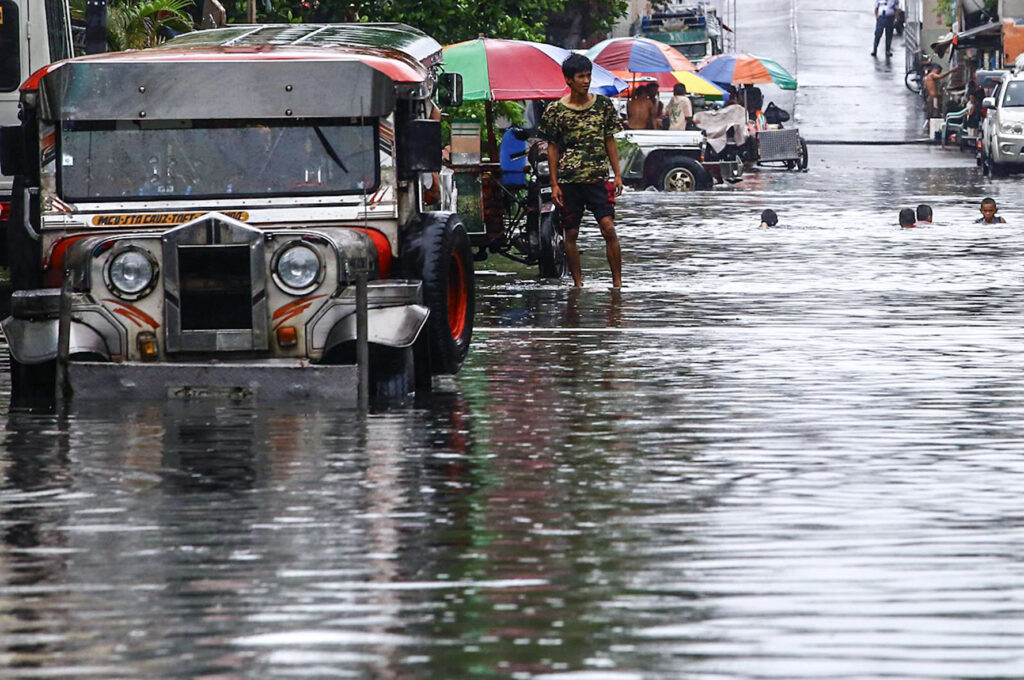
Living in the city does not make people immune to severe weather. When a typhoon or the Southwest Monsoon, locally known as Habagat, approaches, heavy rain can quickly affect transportation, electricity, flooding, communication, and everyday routines.
For Metro Manila residents, preparation is especially important because a few hours of intense rainfall can disrupt roads, public transportation, schools, workplaces, and communities.
Knowing what to prepare before severe weather arrives can make it easier to stay safe, protect important belongings, and make informed decisions when conditions begin to change.
Start With Reliable Weather Information
Preparation begins with knowing what is coming.
Before a typhoon or period of intense Habagat rainfall, residents should monitor updates from the Philippine Atmospheric, Geophysical and Astronomical Services Administration (PAGASA) and their local government units.
Weather conditions can change quickly, so checking an old forecast or relying only on social media posts may not provide enough information.
Pay attention to rainfall warnings, tropical cyclone bulletins, flood advisories, and announcements about class or work suspensions.
Having reliable information early gives households more time to prepare rather than reacting once flooding or strong winds have already started.
Prepare an Emergency Kit
An emergency kit does not need to be complicated or expensive.
A basic household kit should contain items that can help people stay safe and comfortable if they lose electricity, cannot leave home, or need to evacuate.
Useful items include:
- Flashlights
- Extra batteries
- Power banks
- Drinking water
- Ready-to-eat food
- Basic medicines
- First-aid supplies
- Toiletries
- Extra clothes
- Rain gear
- Whistle
- Waterproof bags or containers
- Copies of important documents
- Emergency contact information
Households should keep these supplies somewhere accessible rather than placing everything in a storage area that may become difficult to reach during flooding.
Stock Enough Food and Water
Heavy rainfall can make it difficult to travel to supermarkets, convenience stores, or public markets.
Preparing food and drinking water before severe weather can reduce the need to travel during dangerous conditions.
Choose food that does not require complicated preparation and can remain usable even during a power interruption. Bottled or properly stored drinking water should also be available for household members.
Families with infants, older adults, or people with specific dietary requirements should consider their individual needs when preparing supplies.
Charge Everything Before the Weather Gets Worse
Electricity and mobile connectivity can become especially important during emergencies.
Before a severe weather system arrives, charge mobile phones, laptops, rechargeable lamps, and power banks.
A fully charged phone can be used to receive government advisories, contact family members, access maps, and communicate during an emergency.
It is also useful to keep a flashlight or battery-powered radio available in case electricity or mobile connectivity becomes unavailable.
Protect Important Documents
Important documents should be protected from water damage.
Birth certificates, identification cards, passports, insurance documents, school records, property documents, and other important papers can be stored in waterproof envelopes or sealed containers.
Digital copies can also be kept securely in cloud storage or another protected location.
For households in flood-prone areas, important documents and electronic devices should be moved to higher locations before floodwater begins entering the home.
Prepare Your Home Before Heavy Rain Arrives
A few simple checks around the house can help reduce weather-related damage.
Before a storm, residents can inspect:
- Roofs and ceilings for leaks
- Windows and doors
- Gutters and drainage areas
- Outdoor objects that could be blown away
- Electrical outlets and appliances
- Areas where water commonly enters
- Nearby drains and waterways
Loose objects such as plant pots, outdoor furniture, and lightweight decorations should be secured or brought indoors when strong winds are expected.
Clearing household drainage areas can also help prevent water from accumulating around the property.
Know Your Flood Risk
Not every part of Metro Manila experiences flooding in the same way.
Some roads and communities can become difficult to pass after prolonged rainfall, while other areas may remain relatively accessible.
Residents should know whether their homes, workplaces, schools, and regular routes are located in areas that are vulnerable to flooding.
PAGASA provides flood information and warning resources that can help residents understand rainfall and flooding risks. Local government units may also provide community-specific flood and evacuation information.
Knowing these risks in advance makes it easier to decide when to change plans or leave an area.
Plan for Transportation Disruptions
A typhoon or strong Habagat event can affect transportation even when there is no direct storm impact in Metro Manila.
Heavy rain can slow traffic, flood roads, disrupt public transportation, and make walking between transport stops difficult.
Before leaving home, commuters should check weather and transportation conditions rather than assuming that their usual route will remain accessible.
It is also useful to identify alternative routes and transport options ahead of time.
However, having an alternative route does not mean that people should travel at all costs. If authorities advise residents to avoid unnecessary travel, staying home may be the safer decision.
Prepare for Work and School Changes
Severe weather can affect schedules with little notice.
Schools may suspend classes, while companies may shift to remote work or adjust operating hours depending on conditions.
Students and employees should monitor official announcements and communicate with their schools or workplaces when weather conditions make travel difficult or unsafe.
Preparing chargers, internet access, mobile data, and necessary files ahead of time can also make unexpected work-from-home or remote-learning arrangements easier.
Keep Your Vehicle and Motorcycle Ready
For people who drive, preparation should also happen before the roads become flooded.
Check fuel levels, tires, brakes, lights, and other essential parts of the vehicle.
However, vehicle preparation should not encourage people to drive through floodwater.
Flooded roads can hide potholes, debris, open drainage systems, and electrical hazards. Moving water can also make vehicles difficult to control.
If a road is already flooded or authorities advise against passing through an area, finding a safer alternative or postponing the trip is usually the better option.
Do Not Underestimate Floodwater
Floodwater can look harmless, particularly when it is shallow.
But water can contain contaminants, sharp objects, debris, or electrical hazards. It can also conceal holes and open manholes.
Avoid walking or driving through floodwater whenever possible.
If water begins entering a home, residents should prioritize personal safety and follow evacuation instructions from local authorities rather than focusing only on protecting belongings.
Know Where You Would Evacuate
Every household should have an idea of where to go if evacuation becomes necessary.
Families can identify nearby evacuation centers, relatives’ homes, or other safe locations ahead of time.
It is also useful to know more than one route because roads may become inaccessible during flooding.
Households should discuss how they will travel together, where they will meet if separated, and how they will communicate.
For families with children, older adults, persons with disabilities, or pets, evacuation plans should account for their specific needs.
Prepare for Pets and Vulnerable Family Members
Emergency planning should include everyone in the household.
Pets may need food, water, medicines, carriers, and other supplies. Older adults and people with disabilities may require assistance with transportation or medication.
Parents should also prepare items that children may need, including food, clothing, medicines, and comfort items.
Preparing these needs in advance can reduce confusion during an actual emergency.
Keep Emergency Contacts Accessible
During severe weather, communication can become more difficult.
Instead of relying entirely on contacts saved in a phone, households can keep a written list of important numbers in a waterproof location.
This can include family members, local government offices, emergency responders, schools, workplaces, building administrators, and other relevant contacts.
Knowing who to contact before an emergency happens can save valuable time.
Habagat Requires Its Own Kind of Preparation
A common misconception is that preparation is only necessary when a typhoon is directly approaching the Philippines.
Habagat can also produce prolonged periods of heavy rainfall, particularly when enhanced by nearby weather systems or tropical cyclones.
This means residents should pay attention to rainfall forecasts and flood warnings even when there is no typhoon expected to make landfall in Metro Manila.
For city residents, the main concern during prolonged Habagat rainfall may be accumulated rain, flooding, transportation disruption, and extended periods of wet weather rather than extreme winds.
Prepare Early, Not at the Last Minute
One of the biggest mistakes during severe weather is waiting until conditions become dangerous before preparing.
By the time supermarkets become crowded, roads begin flooding, or electricity starts going out, some supplies may already be difficult to find.
Preparing a few basic items ahead of time allows households to respond more calmly.
It also reduces unnecessary travel during periods when roads and transportation systems may already be under pressure.
Final Thoughts
Typhoons and Habagat are part of life in the Philippines, but being familiar with severe weather does not mean becoming complacent about it.
For people living in Metro Manila, preparation means more than buying an umbrella. It means knowing the weather situation, protecting important belongings, preparing food and water, keeping communication devices charged, understanding flood risks, and knowing when it is safer to stay home or evacuate.
The goal is not to predict exactly what will happen during every storm.
It is to make sure that when conditions change, you already have the information, supplies, and plans you need.
Because when a typhoon or Habagat begins affecting the city, the best time to prepare is already behind you—the safest time is before the rain gets worse.