Crowded streets, long commutes, and a fast-paced routine often define life in Metro Manila. Amid the city’s constant movement, many residents are finding comfort in an unexpected place—public parks.
Once seen primarily as recreational spaces, parks are now becoming urban sanctuaries where people can exercise, unwind, connect with nature, and take a break from the demands of city life. As conversations around wellness and work-life balance continue to grow, these green spaces are becoming more valuable than ever.
A Breath of Fresh Air in the Middle of the City
Public parks provide something that can be difficult to find in a highly urbanized environment: open space.
Whether it’s enjoying a morning walk, reading beneath the shade of a tree, or simply sitting on a bench after a busy day, these parks offer moments of calm that help people recharge both physically and mentally.
For many Manileños, spending time outdoors has become a simple yet meaningful way to slow down without leaving the city.
More Than Just Places to Exercise
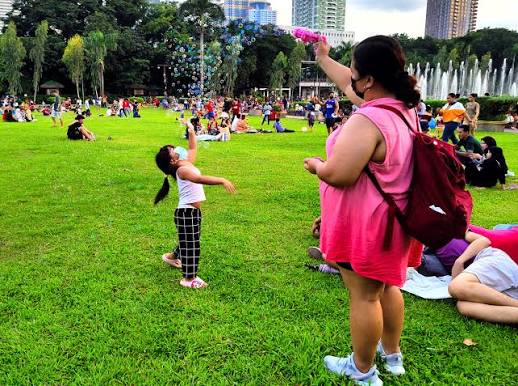
While jogging and cycling remain popular park activities, public spaces have evolved into gathering places for different communities.
Families spend weekends enjoying picnics, friends meet for casual conversations, photographers capture the changing city landscape, and fitness groups organize free workout sessions. Community events, cultural activities, and weekend markets also bring new life to these spaces, making them welcoming destinations for people of all ages.
Parks are no longer just places to pass through—they have become places where people connect.
Green Spaces That Shape City Living
Metro Manila is home to several parks that continue to attract both residents and visitors.
The wide open grounds of Rizal Park, the peaceful trails of Arroceros Forest Park, the landscaped gardens of Ayala Triangle Gardens, and the tree-lined paths of the UP Diliman Academic Oval each offer unique experiences while serving as important green spaces within the metropolis.
These locations remind people that even in a modern city, nature still has a place.
Supporting Health and Well-Being
Studies have shown that spending time in green spaces can contribute to reduced stress, improved mood, and increased physical activity.
As more people prioritize their overall well-being, public parks provide an accessible and affordable environment for healthy habits. Whether through walking, running, stretching, or simply enjoying fresh air, these everyday activities encourage a more balanced urban lifestyle.
In a city where schedules are often filled with work and responsibilities, even a short visit to a nearby park can make a noticeable difference.
Reconnecting with the Community
Beyond promoting wellness, public parks also strengthen communities.
They create opportunities for neighbors to interact, support local events, and participate in activities that bring people together. From weekend performances to environmental initiatives and recreational programs, these shared spaces help foster a stronger sense of belonging.
As cities continue to grow, preserving and improving public parks becomes increasingly important—not only for the environment but also for the people who call Manila home.
Final Thoughts
Metro Manila’s public parks have become more than just green spaces amid concrete landscapes. They have evolved into places where people can slow down, reconnect with nature, and build stronger connections with their communities.
In a city that rarely stops moving, these urban sanctuaries remind us that sometimes the best way to appreciate Manila is by finding a quiet place to pause, breathe, and simply enjoy the moment.