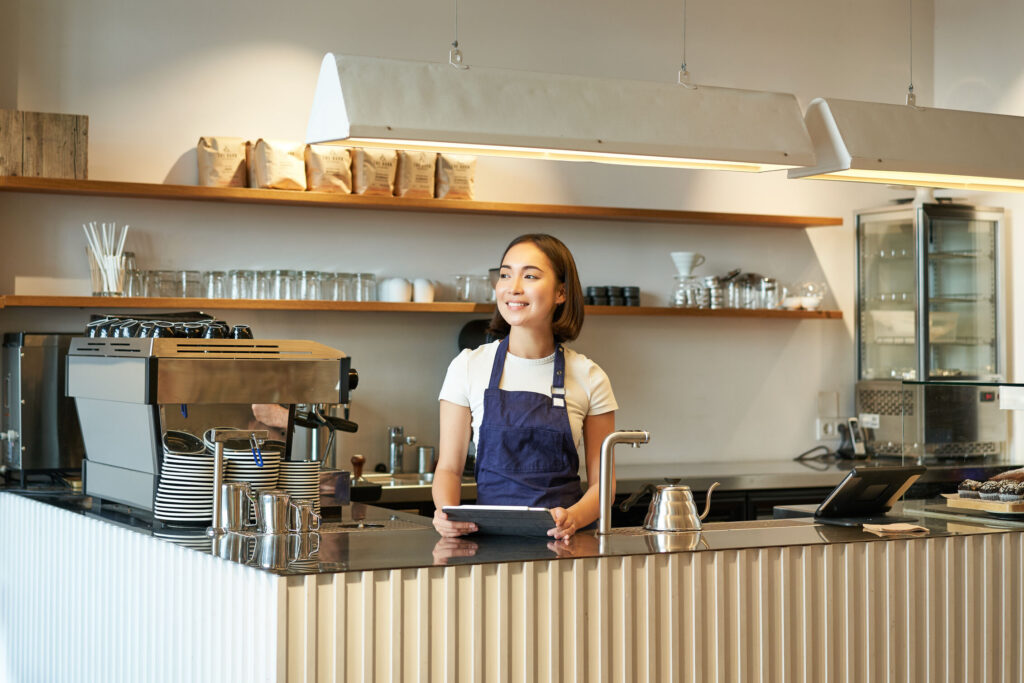
Metro Manila’s café scene has evolved far beyond serving coffee. Today, cafés have become places where people work, study, meet friends, brainstorm ideas, and simply take a break from the fast pace of city life. From neighborhood specialty coffee shops to spacious cafés inside mixed-use developments, these spaces have become part of the daily routine of many urban dwellers.
As hybrid work and flexible lifestyles continue to shape how people spend their time, cafés are increasingly serving as what urban sociologists call the “third place”—a welcoming environment outside the home and the workplace where people can connect, relax, and build community.
Understanding the “Third Place”
The concept of the third place was introduced by American sociologist Ray Oldenburg, who described it as a social space separate from home (the first place) and work (the second place). Third places encourage conversation, foster a sense of belonging, and strengthen community relationships.
In today’s cities, cafés have become one of the most recognizable examples of third places. They provide an environment where people can comfortably spend time whether they’re meeting colleagues, catching up with friends, reading a book, or simply enjoying a quiet afternoon.
Metro Manila’s Growing Café Culture
Over the past decade, Metro Manila has seen a remarkable rise in specialty coffee shops and independently owned cafés. Neighborhoods such as Makati, Bonifacio Global City, Quezon City, and Pasig have become known not only for their restaurants but also for cafés that offer thoughtfully designed spaces alongside quality coffee.
For many people, choosing a café is no longer just about the menu. Comfortable seating, reliable Wi-Fi, natural lighting, and a relaxing atmosphere have become equally important, making cafés attractive destinations for students, freelancers, entrepreneurs, and remote workers.
More Than a Place to Work
While cafés have become popular workspaces, their value extends beyond productivity.
They provide opportunities for spontaneous conversations, networking, creative thinking, and social interaction—experiences that can be difficult to replicate in purely virtual environments. Whether it’s a casual meeting, a study session, or an afternoon spent journaling, cafés offer an environment that balances focus with comfort.
These spaces also contribute to mental well-being by allowing people to step away from routine while remaining connected to their communities.
Supporting Local Communities
The popularity of cafés also benefits local businesses.
Independent coffee shops create employment opportunities, support local suppliers, collaborate with Filipino artists, and help shape the unique character of neighborhoods. Many cafés host workshops, art exhibits, live performances, and community events that encourage people to engage with local culture while supporting small businesses.
In this way, cafés contribute not only to the local economy but also to the social fabric of the communities they serve.
The Future of Urban Living
As Metro Manila continues to embrace mixed-use developments and walkable neighborhoods, the importance of accessible community spaces is becoming more evident.
People increasingly value convenience, flexibility, and meaningful experiences in their everyday lives. Cafés naturally fit this lifestyle by offering environments where work, leisure, and social connection can coexist within the same space.
Rather than being viewed simply as places to buy coffee, cafés are becoming essential components of modern urban living.
Final Thoughts
In a fast-moving city like Metro Manila, cafés have become more than destinations—they have become spaces where people find connection, creativity, and a sense of belonging. As the city’s café culture continues to grow, these welcoming environments demonstrate how thoughtfully designed public spaces can enrich everyday life and strengthen urban communities.
Whether you’re working remotely, catching up with friends, or simply enjoying a quiet cup of coffee, the neighborhood café has become a place where city life feels a little more connected.