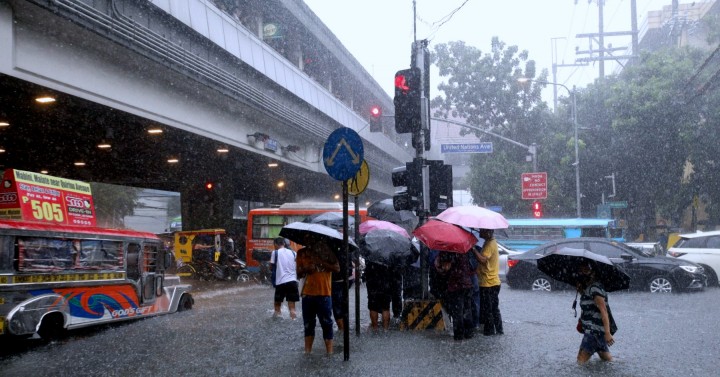
For Filipinos, wading through floodwater can sometimes feel unavoidable. A flooded street can mean taking off your shoes, rolling up your pants, and finding the quickest way home.
But that floodwater may carry more than dirt and debris.
During the rainy season, health officials regularly warn about leptospirosis, a bacterial infection that can be contracted through contact with water or soil contaminated by the urine of infected animals, particularly rats. With heavy rains and flooding affecting several areas, knowing the risks can help families make safer choices.
How Do You Get Leptospirosis?
Leptospirosis is commonly associated with floodwater because bacteria can enter the body through cuts, wounds, or other breaks in the skin. It can also enter through the eyes, nose or mouth.
This is why health authorities advise avoiding unnecessary contact with floodwater whenever possible. If exposure cannot be avoided, wearing protective footwear and clothing can provide an added layer of protection.
What Are the Symptoms of Leptospirosis?
One reason leptospirosis can be difficult to spot is that its symptoms can resemble other common illnesses.
Possible symptoms include:
- Fever
- Headache
- Chills
- Muscle or body pain
- Vomiting
- Diarrhea
- Red eyes
- Yellowing of the skin or eyes
Symptoms may develop several days after exposure to contaminated water. In some cases, the illness can become serious and affect organs such as the kidneys, liver, lungs, and heart if it is not treated promptly.
What Should You Do After Wading Through Floodwater?
First, wash yourself thoroughly with clean water and soap as soon as possible.
More importantly, do not ignore symptoms that develop after floodwater exposure. If you develop a fever, body pain or other concerning symptoms, tell a healthcare professional that you were recently exposed to floodwater.
Health authorities also caution against taking antibiotics on your own. Medication such as doxycycline should only be taken when advised or prescribed by a qualified healthcare professional.
Prevention Is Still the Best Protection
The safest way to avoid leptospirosis is to stay out of floodwater whenever possible. Keep wounds covered, wear protective boots and gloves if exposure is unavoidable, and maintain cleanliness at home to help control rodents.
A rainy day may seem like just another inconvenience. But when floodwater enters the picture, a little extra caution can go a long way. If you or someone in your household has been exposed to floodwater, pay attention to how you feel in the days that follow—and seek medical advice when needed.