
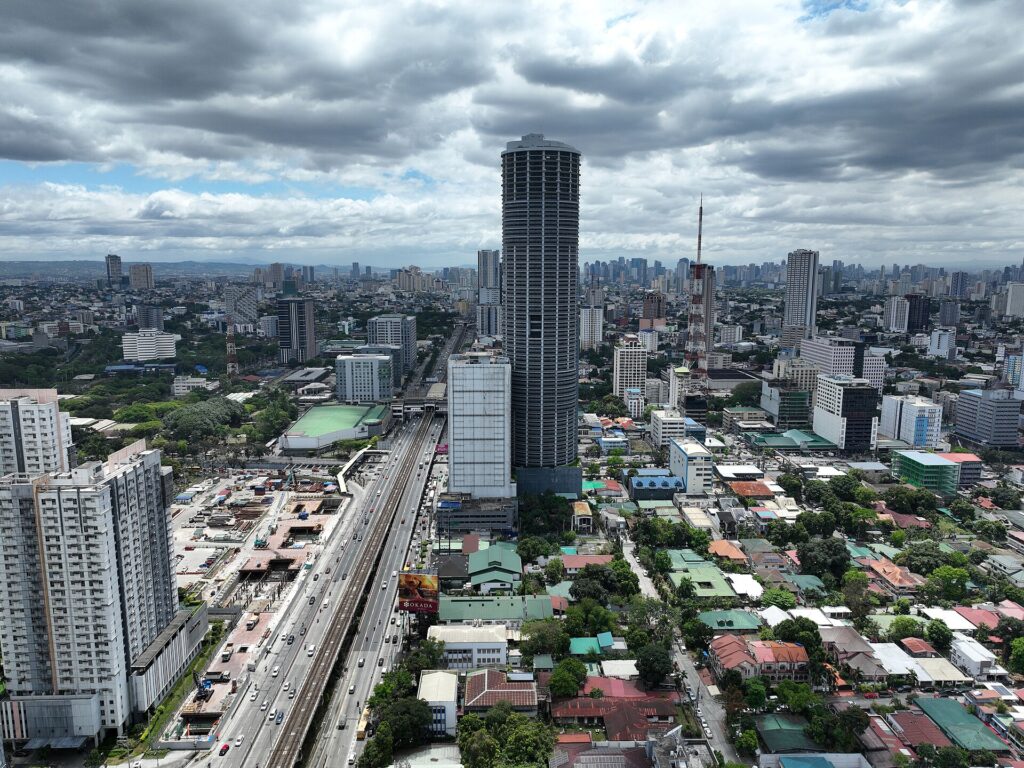
Metro Manila’s condominium market continues to face a large supply of unsold residential units as more prospective homeowners withdraw from purchase agreements amid affordability concerns and elevated borrowing costs, according to property consultancy Colliers Philippines.
In a report published by the Manila Bulletin on October 14, 2026, Colliers highlighted the continuing oversupply of condominiums, particularly in the mid-income segment. The situation reflects the challenges facing developers as buyers struggle to complete property purchases amid changing economic conditions.
The growing number of unsold units also raises questions about housing affordability, buyer financing, and how developers can adjust their strategies to meet market demand.
According to Colliers, the market’s recovery will depend on improving affordability, offering more flexible payment arrangements, and addressing the mismatch between available properties and what buyers can realistically afford.
The consultancy has also recommended policy measures to help stimulate demand and encourage a more sustainable recovery in the residential property sector.
Condo Oversupply Continues to Challenge Developers
Metro Manila has accumulated a substantial inventory of unsold condominium units, leaving developers under pressure to sell completed properties before introducing new projects.
The oversupply is particularly evident in the mid-income segment, where units are often too expensive for some buyers but do not qualify for the lowest-cost housing programs.
This imbalance has encouraged developers to reconsider their pricing strategies and prioritize existing inventory over launching additional projects.
More Buyers Are Backing Out of Purchase Agreements
Rising mortgage costs and financial pressures have made it harder for some buyers to complete condominium purchases, particularly those who committed to units before construction was finished.
In pre-selling arrangements, buyers typically pay installments during the construction period before securing bank financing for the remaining balance. When the time comes to obtain a loan, changes in income, interest rates, or household expenses can affect their ability to proceed.
Colliers has reported an increase in buyer cancellations, highlighting the risks associated with long-term payment commitments when economic conditions remain uncertain.
Affordable Housing Continues to Attract Demand
Despite the challenges affecting the wider condominium market, demand remains stronger for more affordable residential units.
Colliers’ second-quarter 2026 residential report identified economic and affordable housing as major drivers of condominium demand during the first half of the year. Government housing initiatives and more accessible financing options have helped support this segment.
The findings suggest that buyers remain interested in property ownership, but affordability plays a major role in determining which units they can purchase.
Developers May Need to Adjust Their Strategies
The continuing oversupply is prompting developers to focus on clearing unsold inventory, offering more flexible payment terms, and considering residential opportunities outside Metro Manila.
Provincial markets may offer additional opportunities where demand for housing remains stronger relative to available supply. Developers are also exploring leisure-oriented residential projects in tourism destinations.
Colliers has emphasized the importance of improving housing approvals and strengthening cooperation between government and the private sector to support the market’s recovery.
Final Thoughts
Metro Manila’s condominium oversupply highlights the challenges of balancing property development with the purchasing capacity of Filipino households. Although interest in homeownership remains, rising financing costs and affordability concerns continue to affect buyers’ ability to complete transactions.
For the market to recover, developers and policymakers will need to address unsold inventory, improve access to financing, and align future housing projects with actual demand. These efforts will be important in creating a more sustainable residential property market in Metro Manila.